- https://www.youtube.com/watch?v=hQy2sXzcZZ4
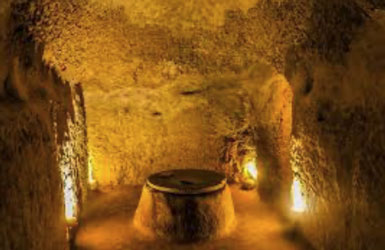
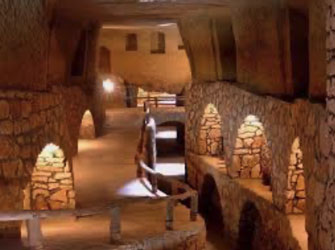
- In 2006, a chance blow from a shovel in an ordinary Iranian courtyard reviewed the entrance to a mysterious space. Beneath the dusty streets of Nushabad, a collossal*3 three-level city was discovered, hidden in complete darkness for more than 1500 years.
- The researchers were stunned*4 by the scale of what they saw. A gigantic engineering labyrinth*6 extended 18m deep into the earth. It was not a mere temporary basement, but a fully fled*7 self-contained world with residential quarters and complex life support systems. It is astonishing that over a course of millennia and a half, not a single line about this monumental construction project has been recorded in historical chronicles. For decades thousands of people dug into the hard soil, creating a secret civilization in absolute secrecy from the outside world. The scale of the world done directly points to the existence of a serious threat that forced inhabitants to seek refuge deep underground. It remains to be discovered exactly what force was so terrifying that compelled people to seek safety in the depths of the desert.
- Nushabad is hidden in the very heart of Isfahan province, where endless sands meet arid mountain ranges. During the day, the sun here literally scorches all living things, and the temperature often soars about 45ºC. Ancient inhabitants had to survive in conditions of unbearable heat and catastrophic shortage of water, which was valued more highly than gold. Local settlement stood directly on the great Silk Road, connecting the East and the West. The vast riches of the caravans constantly attracted bands of nomads and armies of conquerors.
- It was impossible to hide on the flat, table-like plain, for the enemy could see any movement for many kilometers around. This desperate situation forced people to seek refuge not behind high walls, but deep in the earth itself. Once dried the local soil became hard as stone, allowing ancient engineers to carve out vast underground chambers. People understood that on the surface only death by the sun or the sword awaited them, so they began to build a parallel world. Stealth became their only chance of survival amid the constant wars. Thus, beneath the scorching sand dunes, an invisible metropolis grew , becoming a mirror image of life above. It was a time of great change and eternal fear, forever frozen in the cold stone many meters deep. When explorers first descended into Nushabad, they were struck by the impeccable*11 order of this man-made anthill.
- The entire city was divided into three levels, each floor serving its vital functions. The first tier, located just a few meters below ground, served as a giant food storage facility and air filter. These halls bore the brunt*12 of the desert heat, protecting the inhabitants of the lower levels from suffocation and dust. On the second level with true heart of the underground metropolis. Here with residential quarters wher families hid from danger for weeks in perfect coolness. The high ceilings allowed one to stand full height, and neat niches in the walls held lamps and personal belongings, creating the illusion of a normal life in complete isolation. The deepest level plunges 18m into the abyss*13 and conceals the most dangerous secrets. This is a zone of strategic survival with deep wells reaching down to the ground water and a network of the most intricate*14 tunnels. The labyrinths here are so narrow that one can only crawl through them, and every miss step by a stranger could lead to a camouflaged pit trap. Vertical shafts allowed inhabitants to move instantly between floors, while an enemy found himself in a stone trap with not a single chance of escape. The locals navigated this pitch black darkness by memory, turning the underground castle into an impregnable*15 fortress, rested from the earth through the heartiest labor.
- The architecture of Nushabad proved the ancient engineers possessed a discipline that allowed them to master space even in the bowels*16 of the planet. The greatest challenge in the underground structure is ensuring ventilation. But in Nushabad this problem was solved ingeniously. Even at a depth of 18m there is no sense of stuffiness here. Ancient builders created city's invisible lungs by utilizing the laws of physics. They cut vertical shafts, creating the effect of constant draft*17. The temperature difference between the scorching desert and the cool labyrinth caused the air to circulate on its own, displacing stagnant air and allowing thousands of people to breathe freely for weeks on end*18. Each such shaft was masterfully disguised as ordinary cracks in the ground or abandoned wells, invisible to the enemy. Engineers calculated the slope of channels so that even fierce sandstorms could not clog*19 them. This system functioned as a natural air conditioner. While freezing cold or unbearable heat rage above, a mild and stable climate was maintained within the refuge. Without this invention, the city would have become uninhabitable in the very first settlement. The water issue was resolved just as effectively by connecting to the legendary ‘qanat’, the ancient underground aqueduct of Persia. Builders of Nushabad tapped into this network, providing residents with ice cold running water from mountain springs.
- People did not have to venture out into the enemy’s fires to fill their jags. Access to the purest water was right inside the living quarters. Deep reserve wells provided to back up the city in case the main channels were cut off from the outside. Water not only quench*20 people first, but also saved the city itself, maintaining the necessary moisture in the clay walls so that would not crumble*21 to dust. Excess moisture drained into deep draining sytems, preventing flooding and dampness*湿気. Nushabad transformed the lifeless earth into a safe oasis with coolness, where every engineering detail had been tested by time and saved thousands of lives. Inside Nushabad, time stood still, and the familiar noise of the world gave way to oppressive*22 silence. To keep thousands of people from going mad in absolute darkness, daily life was thought out down to the smallest details. Hundreds of tiny niches for oil lamps stretched along the walls. Their dim lights were the only guide in the endless labyrinth. The smoke from the lamps did not choke the inhabitants, but was instantly glowing into hidden vents, allowing families to set up their meager*23 lives on mats spread out directly on the earthen floor. Food here was a matter of life and death. Deep niches refrigerator were carved into the walls, where the constant coolness preserved grain and dried meat for months. Hot meals were rarely prepared. Unnecessary fire consumed precious oxygen, and smoke outside could give way the shelter to the enemy. People ate in the dim light, speaking in barely audible whisper so as not to compromise*24 the city’s camouflage.
- Remarkably, in this cramped*25 space, ancient engineers created a fully functional sewage*26 system. It extended deep into the ground and was completely isolated from drinking water, which saved the community from epidemics and unbearable odors. Cleanliness*27 was not a mater of comfort, but a heart law of survival. Waste was disposed of in special areas located far from living quarters and air intakes. The most terrifying ordeal*28 was psychological toll*29 of isolation. Imagine you sit in complete silence, while right above your head the earth trembles from pounding*30 hooves*31 of the enemy cavalry. Children were taught from infancy to maintain absolute silence. For a single accidental cry could cost the lives of thousands of neighbors. Only a few meters of solid rock separated the civilians from the ruthless invaders, a thin line between salvation and destruction.
- Nushabad is a masterpiece of camouflage, transforming the entire province into a territory of deception. This metropolis had neither towers nor gates that the enemy reconnaissance could spot. Instead, builders created hundreds of invisible entrances, hidden within ordinary houses. The hatch could be concealed at the bottom of a well, behind a niche in a mosque, or even in dirty corner of a public restroom. No well-trodden*32 roads led to the city, making it completely elusive*33 to outsiders.
- The warning system worked faster than any cavalry*34. As soon as the sentries*36 on the horizon spotted a cloud of dust from the hooves, the population vanished without a trace in a matter of minutes. The invaders entered the city and are frozen in horror. Hot food was still steaming on the tables. The fire was burning in the stoves, but there was not a soul inside. It created an eerie*37 impression that thousands of people had simply evaporated into the scorching air, leaving their belongs untouched. Inside the labyrinth, the residents maintained total control over the situation. Through tiny holes in the gallery ceiling, the defenders could silently watch the enemy’s every moves for hours, remaining in the shadows. This allowed to coordinate an entire army without a single shout or torch, turning ordinary farmers into elusive*33 shadows. Nushabad prevailed without engaging in open combat. It simply ceased to exist for the outside world. The legend of a place where the earth literally swallows people terrified nomads more than any fortress walls. This tactics of invisible presence allowed the community to maintain its power and structure even when the above-ground city is completely occupied.
- Nushabad was not a temporary hideout*39. It served as an eternal guardian for generations over a course of a whole millennium. The first chambers here were carved out far back out in the Sasanid*41 era, but the true test came in the 7C with the Arab conquest. While Iran’s great fortresses were crumbling*42 under the enemy's onslaught*43, the inhabitants of this oasis simply vanished into the silence of their tunnels. The Arab horsemen wandered the empty streets in bewilderment*44, unable to find where an entire people had vanished to, while that very moment they've waited out onslaught*45 completely safety in the deep underground. Archeologists are finding a layered cake of history here, scratches of fabric, potteries and utensils*46 from various centuries lying like the pages of a stone book. The city was constantly being renovated, and secret maps of entrances were passed down from father to son as the family’s most treasured their rooms. The underground complex became a fully-fledged*47 second home, always ready if life above ground became unbearable.
- The most terrifying challenge came in the 13C, coinciding with the era of great conquests and devastating campaigns of that time, as Genghis Khan’s army marched through the cities, Nushabad became the only chance for salvation. This underground city allowed thousands of people to remain safe, even as the life raged above them, among other peoples having no ideas about their very existence. It was then that the deepest third level saved the community with icy water from wells, while the oases above were burning to the ground. This city is a symbol of the great victory of ordinary people over the world’s most formidable armies, achieved without a single shot fired. Traces of renovation and real enforcement of the vaults*48 speak to humanity’s century long struggle with the earth itself for the right to live.
- The fact that the labyrinth remained inhabited families for a thousand years makes it one of the most successful defensive structures in history, turning secrecy into absolute weapon. One of the most inexplicable mysteries of Nushabad remains how such a colossal structure could be completely arisen from the memory of the people who built it. Usually great constructions were celebrated in songs and passed down by word of mouth. But here we see a frightening void spanning several centuries. By the mid-20C, even the city’s long-time resident could not say what lies beneath their own foundations. Secrecy, which was once the only means to survival, has over time become a deafening wall of oblivion*49. Gradually, the entrances became filled with debris, the wells dried up, and knowledge the underground streets transformed from vital instructions into vague fairy tales for children.
- The loss of this information occurred so rapidly that archeologists are still trying to understand the true calls for such wide spread amnesia*51. Nature went great length to help people forget the way to this realm of shadows. The region was often suffered from sudden floods, when rare but fierce rains turned dry land into streams of liquid mud. These mudflows seeped*52 into the ventilation shafts and clogged*53 the upper levels with thick layers of silt and sand, Turing once-habitable rooms into impassable blockages. Without constant maintenance and clearing, the tunnels quickly became traps, where stagnant air and dampness made stages unbearable. People simply stopped to go down there once immediate military threat vanished and maintaining the gigantic anthill became too labor-intensive. The desert slowly healed the wounds inflicted*54 upon it by human shovels, concealing the traces of civilization presence beneath the smooth layer of scorching dust.
- In local legends however contain strange and frightening echoes of the past remained, which no one took seriously. The elders spoke of a world of shadows, where the sprits of ancestors live, capable passing through walls and vanishing into thin air in an instant. References to invisible passages were considered merely beautiful metaphors*56 explaining how their great-grandfathers had escaped from Mongol sabers*57. No one believed that kilometers of man-made caves, capable of holding the entire population of the province actually existed beneath the their feet. These scratches of information became overgrown with mysticism and fiction, finally concealing the real facts beneath the layer of superstition and fears. The city became a ghost in people’s minds long before its entrances physically vanished from the face of the earth. The final break of a generational connection likely occurred during periods of severe drought, when people left these lands in search of food. The few who kept the secret of Nushabad took the knowledge to their graves, unable to pass it on to their young heirs.
- When decades later life returned to the oasis, new settler built their homes on the old foundations, unaware of the voids beneath them. Thus, this great marble engineering turned into a myth, which even those living directly above its vaults*58 ceased believing in. It took a chance fall into a sewer*59 pit for reality to remind itself once again, shattering the centuries-long slumber*61 of a forgotten metropolis. Now researchers are piecing*62 together this lost heritage bit by bit, trying to understand how humanity could have lost an entire world right under its nose. When archaeologists fully grasped the scale of Nushabad, a logical question arose that still whole scientists hold around the world. Why did ancient people need to create such a complex and deep structure when sturdy*63 gate or simple earthen lumps would have sufficed to protect against ordinary robbers? The depth of 18m and three independent tiers seen like an excess luxury, on which consumed an incredible amount of human resources and time. One gets the strong impression that builders of Nushabad were preparing not for brief-raised nomads, but some kind of global catastrophe*64 capable of completely destroying life on the surface. The region's history seemed to have period sandstorms so terrifying that they could last for weeks, turning day into endless night and burying houses up to the rooftops. Perhaps this city was the only way to avoid suffocating*66 under tons of scorching dust that literally wiped entire oases off the map.
- Some researchers put forward even bolder theories that Nushabad may have served as refuge for sudden climatic shifts or ancient biological threats. In those distant times, diseases often traveled along the Great Silk Road alongside caravans, leaving to epidemics. The underground isolation with its unique air filtration system, could have served as an ideal quarantine, allowing the healthy portion of the population to survive the epidemic in complete safety. There is also a theory regarding periods of extreme solar activity, when it was physically impossible to remain in direct sun rays due to fatal burns and heat strokes. At such times, the earth became the only reliable shield capable of cooling the body and preserving the sanity of people accustomed to the harsh sun. The intrigue*68 also lies in the fact the city’s layout allows one to remain with it for an unlimited amount of time without any contact with the outside world. Typical military shelters of that era were built as temporary hideout for a day for two. But Nushabad is a fully fledged*69 second reality.
- The complexity of the passages and the presence of strategic water reserves indicate that people were prepared to live in darkness for months, and perhaps even years. If the goal had been merely to ward off the Mongol horsemen, the builders would not have had to dig such deep wells or create such a sophisticated life support system. It seems that the ancestors of today’s Iranians were aware of some kind of threat. We still cannot say with certainty exactly what these people feared, but their fear was materialized in thousands of tons of excavated soil. The entire project looks like an attempt to cheat fate itself*72 by creating a backup version of civilization in case of the end of the world on the surface. The fact that the city was built and expanded over centuries suggests that the threat was constant and very real for every generation.
- Perhaps Nushabad is not just an architectural monument, but a kind of time capsule, reminding us of the fragility of human existence. We look at these empty corridors and realize that human history is far more complex and grim*73 than what school textbooks tell us. Every niche in the wall and every turn of the tunnel holds the memory of an entire people’s great flight from something that we may not yet have grasped. Today, Nushabad has only partially opened its doors to curious tourists and scientists, yet remaining a vast blank spot on the map of antiquities*74. Archaeologists have only been able to explore only small part of this labyrinth, as many tunnels are blocked by dense rock and are dangerous due to the risk of caving. The work is progressing slowly, as every swaying of shovel could destroy the fragile balance that has been maintained for centuries. Researchers admit that new levels may lie hidden behind unexplored levels, holding even more ancient secrets or untouched treasures of daily life. We see only the tip of the iceberg, while the bulk of the city continues to slumber*76 beneath the foundations of modern residential buildings and mosques. This project has become living proof of humanity’s incredible resilience and its ability to transform even the hostile depths of the earth into a secure home.
- The existence of such a metropolis foresees us to take a fresh look at how easily the great achievements of entire people can vanish. Nushabad reminds us that civilization is a very fragile thing, which could be wiped off the face of the earth by ordinary sun or simple human forgetfulness. At the same time, the city’s history offers hope, showing that a way out can be found even from most hopeless and deadly situation. The ancient people did not give up in the face of an unknown threat, but chose to create their own world where no one expected to find it. We leave these cool halls with a deep sense of respect for the craftsmen who without computers or sophisticated technology, built an eternal refuge. The legacy of Nushabad is not merely stones and dust, but an inexhaustible will to live, walled up within the walls of this subterranean crosses. The history of Nushabad proves that we don’t know even half of what our planet hides.
|
<1>:
宇宙の謎(Mysteries of the Universe) Underground City in Nushabad in Iran イランの地下にある不可解な世界
- 2006年、イラン・イスファハン州の普通の中庭で、シャベルが偶然地面を掘ったことで、謎めいた空間への入口が明らかになった。Nushabadの埃っぽい通路の下には、1500年以上もの間、完全な暗闇に隠されていた巨大な3層構造の地下都市が発見された。
- 研究者たちは目の当たりにした大規模な光景に驚愕した。巨大な工学的迷宮が地中18mまで深く伸びていた。それは単なる仮設の地下室ではなく、居住区や複雑な生命維持システムを備えた、完全に独立した世界だった。1500年以上もの間、この壮大な建造物について歴史書に一行も記録されていないのは驚くべきことである。何十年にもわたり、何千人もの人々が硬い土を掘り、外界から完全に秘密裏に秘密の文明を築き上げたのだ。この世界の規模は、住民が地下深くに避難せざるを得なかった深刻な脅威の存在を直接的に示している。砂漠の奥深くに安全を求めるほど人々を駆り立てた、一体どのような恐ろしい力が存在したのかについては、未だ解明されていない。
- Nushabadはイスファハン州のまさに中心部、果てしなく広がる砂漠と乾燥した山脈が交わる場所にひっそりと存在している。日中は太陽が文字通りあらゆる生物を焦がすように、気温はしばしば45℃近くまで上昇する。古代の住民は耐え難い暑さと、金よりも貴重と言われるさ極度の水不足の状況下で生き延びなければならなかった。この集落は東西を結ぶ偉大なシルクロードのまさに中心に位置していた。キャラバン隊が運ぶ莫大な富は、遊牧民の集団や征服者の軍隊に絶えず狙われていた。
- 平坦でテーブルのような平原では、敵は何kmも離れた場所からでも全ての動きを察知できたため、身を隠すことは不可能だった。この絶望的な状況は、人々を高い壁の後ではなく、地中深くへと避難させることを余儀なくさせた。乾燥すると、この地の土壌は石のように固くなり、古代の技術者たちは広大な地下室を掘り出すことができた。人々は、地上では太陽か剣による死しか待ち受けていないことを理解していたため、パラレル世界を築き始めた。絶え間ない戦争の中で、隠密行動こそが彼らの唯一の生き残るチャンスとなった。これは灼熱の砂丘の下での地上の生活の鏡像となる目に見えない都市が成長したことになる。それは、何mも深い冷たい岩の中に永遠に凍りついた大きな変化と永遠の恐怖の時代であった。探検家たちが初めてNushabadで降り立ったとき、この人工の蟻塚のような完璧な秩序に驚かされた。
- 都市全体は3階層に分かれており、各階層は重要な機能を果たしていた。地上からわずか数m下に位置する第1階層は、巨大な食料貯蔵施設と空気清浄設備として機能していた。これらのホールは砂漠の暑さの直撃を受け、下層階の住民を窒息や埃から守っていた。第2階層は地下都市の中心地である。ここには居住区があり、家族は数週間、完璧な涼しさの中で危険から身を隠していた。高い天井のおかげで人々は背丈いっぱいに立つことができ、壁にあるきちんとした凹みにはランプや私物が収納され、完全に隔離された普通の生活のような錯覚を生み出していた。最深部は18mの深さにあり、最も危険な秘密を隠している。ここは戦略的な生存ゾーンであり、地下水まで達する深い井戸と最も複雑なトンネルのネットワークがある。ここの迷路は非常に狭く、這って進むしかなく、部外者が一歩でも踏み外せば、巧妙に隠された落とし穴に落ちてしまう。垂直の通路によって住人は階間を瞬時に移動できたが、敵は石の罠に捕まり、脱出の望みは全くなかった。地元の人々は、記憶を頼りにこの漆黒の闇を進み、地中から力を注ぎ込んで築き上げた地下城を難攻不落の要塞へと変貌させた。
- Nushabadの建築は、古代の技術者たちが地球の地下の奥深くでも空間を自在に操る技術を持っていたことを証明している。地下構造における最大の課題は換気の確保だが、Nushabadではこの問題が巧妙に解決されている。深さ18mにも達するこの場所では、息苦しさは全く感じられない。古代の建築家たちは物理法則を利用して、目に見えない肺を持つ都市を建設した。彼らは垂直のシャフトを掘り、絶え間ない換気効果を生み出した。灼熱の砂漠と涼しい迷宮との温度差によって空気が自然に循環し、よどんだ空気が排出され、何千人もの人々が何週間も自由に呼吸できるようになった。こうしたシャフトは各々地面の普通の亀裂や廃井戸のように巧みに偽装され、敵には見えないようになっていた。技術者たちは水路の傾斜を計算し、激しい砂嵐でも詰まらないようにした。このシステムは天然のエアコンとして機能した。上空では極寒や耐え難い暑さの猛威の中、避難所内では穏やかで安定した気候が維持された。この発明がなければ、この都市は最初の集落として居住不可能になっていただろう。水の問題も同様に、ペルシャの古代地下水路である伝説の"カナート"に接続することで効果的に解決された。Nushabadの建設者たちはこのネットワークを利用し、住民に山の湧き水から氷のような冷水を供給した。
- 人々は水壺を満たすために敵の砲火の中へ出かける必要はなかった。最も純粋な水は居住区のすぐ内側にあった。主要な水路が外部から遮断された場合に備えて、深い予備井戸が都市を支えていた。水はまず人々の喉を潤すだけでなく、都市自体も救い、粘土の壁に必要な水分を保ち、壁が崩れ落ちるのを防いだ。余分な水分は深い排水システムに流すことで、洪水や湿気を防いだ。Nushabadは、生命のない大地を涼しい安全なオアシスに変え、あらゆる工学的細部が時の試練を経て何千もの命を救いました。ヌシャバードの中では時間が止まり、世界の馴染みのある騒音は重苦しい静寂に取って代わられました。何千もの人々が完全な暗闇の中で気が狂わないように、日常生活は細部に至るまで考え抜かれていました。何百もの小さな油灯用のくぼみが壁に沿って並んでいました。そのかすかな光が、果てしない迷宮の中で唯一の道しるべでした。ランプの煙は住民を窒息させることはなく、すぐに隠された通気口に燃え移り、家族は土の床に直接敷いた筵の上で貧弱な生活を送ることができた。ここでは食料は生死に関わる問題だった。壁には冷蔵庫のような窪みが掘られており、そこは常に涼しく、穀物や干し肉を何ヶ月も保存していた。温かい食事はめったに用意されなかった。不必要な火は貴重な酸素を消費し、外の煙は敵に隠れ場所を知られてしまう可能性があった。人々は薄暗い光の中で食事をし、街の偽装を損なわないようにほとんど聞こえないほどのささやき声で話した。
- 驚くべきことに、この狭い空間に、古代の技術者たちは完全に機能する下水道システムを構築した。それは地中深くまで伸び、飲料水とは完全に隔離されていたため、コミュニティは伝染病や耐え難い悪臭から救われた。清潔さは快適さの問題ではなく、生存の根本的な原則だった。廃棄物は居住区や空気取り入れ口から遠く離れた特別な場所に処分された。最も恐ろしい試練は、孤立による心理的な負担だった。頭上で敵の騎兵隊の蹄の音で大地が震えているのに、完全に静かに座っているところを想像してみて欲しい。子供たちは幼い頃から絶対的な沈黙を保つように教えられた。たった一度のうっかりした叫び声が、何千人もの隣人の命を奪う可能性があったからだ。民間人と冷酷な侵略者を隔てていたのは、わずか数mの岩壁だけであり、救済と破壊の間の細い線だった。
- Nushabadはカモフラージュの傑作であり、州全体を欺瞞の領域に変えた。この都市には、敵の偵察隊が発見できるような塔も門もなかった。その代わりに、建設者たちは普通の家の中に隠された何百もの見えない入り口を作った。ハッチは井戸の底、モスクの壁龕(へきがん) の後ろ、あるいは公衆トイレの汚い隅に隠されていた。街に通じるよく踏み固められた道はなかったため、部外者にとって完全に捉えどころのない場所だった。
- 警報システムは騎兵隊よりも速く機能した。地平線上の歩哨が蹄から舞い上がる砂埃の雲を見つけるや否や、住民は数分で跡形もなく消え去った。侵略者たちが侵入したことで恐怖で凍りついた。食卓にはまだ温かい料理が湯気を立てていた。窯の火は燃えていたが、中には人影はなかった。何千人もの人々が持ち物に手つかずのまま、灼熱の空気の中に消え去ったかのような不気味な印象が生まれた。迷宮の中では、住民たちは状況を完全に掌握していた。回廊の天井にある小さな穴から、守備兵たちは影に隠れたまま、何時間も敵のあらゆる動きを静かに監視することができた。これにより、叫び声や松明を一切使わずに全軍を統率することができ、普通の農民たちは捉えどころのない影と化した。Nushabadは、敵と正面から戦うことなく勝利した。外界に対しては、住民はただ存在しなくなっただけだった。文字通り大地が人々を飲み込む場所という伝説は、どんな要塞の壁よりも遊牧民を恐怖に陥れた。この目に見えない存在という戦術によって、地上都市が完全に占領された後も、コミュニティはその権力と組織を維持することができたのだ。
- Nushabadは一時的な隠れ家ではなかった。それは千年もの間、何世代にもわたって永遠の守護者として機能してきた。ここに最初の部屋が掘られたのははるか昔のササン朝時代だったが、真の試練は7Cのアラブの征服によって訪れた。イランの偉大な要塞が敵の猛攻によって崩壊する一方で、このオアシスの住民は洞窟の静寂の中に姿を消した。アラブの騎兵隊は困惑して空虚な通りをさまよい、人々がどこに消えたのか見つけることができなかったが、まさにその時、彼らは地下深くで安全に攻撃をやり過ごした。考古学者はここで、さまざまな世紀の布切れ、陶器、道具が石の書物のページのように重なり合った歴史の層を発見している。街は絶えず改修され、入り口の秘密の地図は家族にとって最も大切な部屋として父から息子へと受け継がれた。地下複合施設は本格的な第二の家となり、地上での生活が耐え難くなったときにはいつでも利用可能となった。
- 最も恐ろしい試練は13世紀に訪れた。それは、チンギス・ハンの軍隊が都市に進軍し、大征服と破壊的な戦役が繰り広げられた時代と重なる。Nushabadは、唯一の救済の希望となった。この地下都市は、地上で他の人々がその存在すら知らない中で生活が激化する中、何千もの人々を安全に守った。地上のオアシスが焼け落ちる中、最深部の3層目は井戸からの冷水でコミュニティを救った。この都市は、一発の銃弾も撃つことなく、一般の人々が世界最強の軍隊に勝利した偉大な勝利の象徴である。地下都市の改修と実際の強化の痕跡は、人類が生きる権利を求めて地球そのものと何世紀にもわたって闘ってきたことを物語っている。
- 迷宮が千年もの間家族によって居住され続けたという事実は、歴史上最も成功した防御構造の1つであり、秘密を絶対的な武器に変えたと言える。Nushabadの最も不可解な謎の1つは、このような巨大な構造物が、それを建設した人々の記憶から完全にどのようにして出現したのかということである。通常、偉大な建造物は歌で称えられ、口伝えで伝えられた。しかし、ここでは数世紀にわたる恐るべき空白が見られる。20C半ばには、この都市の長年の住民でさえ、自分たちの基盤の下に何があるのかをわからなくなっていた。かつては生き残る唯一の手段であった秘密は、時を経て、何も語らぬ忘却の壁となった。徐々に、入り口は瓦礫で埋め尽くされ、井戸は干上がり、地下の道についての知識は、重要な指示から子供向けの漠然としたおとぎ話へと変化した。
- この情報の喪失はあまりにも急速に起こったため、考古学者たちは今もなお、これほど広範囲にわたる記憶喪失の真の理由を理解しようと努めている。自然は、人々がこの影の領域への道を忘れるように、あらゆる手段を講じてしまった。この地域は、稀ではあるが豪雨が乾いた土地を泥の川に変えて、しばしば突然の洪水を起こした。これらの泥流は換気用の坑道に浸透し、上層階を厚いシルトと砂の層で塞ぎ、かつて居住可能だった部屋を通行不能な障害物に変えた。絶え間のない維持管理と清掃がなければ、トンネルはすぐに罠となり、停滞した空気と湿気で各階層を耐え難いものにしてしまった。差し迫った軍事的脅威が消え去り、巨大な蟻塚の維持管理があまりにも労力を要するようになると、人々はそこへ降りることをやめた。砂漠はゆっくりと人間のシャベルによって負わされた傷を癒し、灼熱の塵の滑らかな層の下に文明の存在の痕跡を隠してしまった。
- しかし、地元の伝説には、誰も真剣に受け止めなかったものの、過去の奇妙で恐ろしい残響が残っていた。長老たちは、祖先の霊が住む影の世界について語り、その霊は壁を通り抜け、一瞬にして消え去ることができると語っていた。目に見えない通路についての言及は、曽祖父たちがモンゴルの軍刀からどのように逃れたかを説明する美しい比喩に過ぎないと考えられていた。何kmにも及ぶ、州全体の住民を収容できるような人工の洞窟が実際に足元に存在すると信じる者はいなかった。こうした断片的な情報は、神秘主義と虚構に覆われ、最終的には迷信と恐怖の層の下に真実を隠蔽してしまった。街の入り口が物理的に地上から消えるずっと前から、地下都市は人々の心の中で幽霊のような存在になっていた。世代間のつながりが最終的に断たれたのは、おそらく深刻な干ばつの時期で、人々が食料を求めてこの地を去った時だったのだろう。Nushabadの秘密を守り通したごく少数の者たちは、その知識を墓場まで持ち去り、若い後継者たちに伝えることはできなかった。
- 数十年後、オアシスに生活が戻ったとき、新しい入植者たちは古い基礎の上に家を建てたが、その下に空洞があることに気づかなかった。こうして、この偉大な堅固な建造物は神話となり、その地下室の真上に住む人々でさえ信じなくなった。下水道の穴に偶然落ちたことで、現実が再び思い出され、忘れ去られた大都市の何世紀にもわたる眠りが打ち破られた。現在、研究者たちはこの失われた遺産を少しずつ再生し、人類が目の前にあった世界全体をどのようにして失ったのかを理解しようとしている。考古学者がNushabadの規模を完全に理解したとき、世界中の科学者が今も抱いている論理的な疑問が生じた。頑丈な門や単純な土の塊だけで普通の盗賊から身を守るのに十分だったのに、なぜ古代の人々はこのような複雑で深い構造物を作る必要があったのだろうか。深さ18m、3つの独立した階層構造は、途方もない贅沢のように見え、膨大な人的資源と時間を費やした。Nushabadの建設者たちは、短期間で立ち上がった遊牧民のためではなく、地上の生命を完全に破壊するような世界規模の大災害に備えていたという強い印象を受ける。この地域の歴史上、数週間も続く恐ろしい砂嵐が発生し、昼が終わりのない夜になり、家屋が屋根まで埋もれてしまうことがあった。おそらくこの都市は、文字通りオアシス全体を地図上から消し去る程の大量の灼熱の砂塵の下で窒息することを避ける唯一の方法だったのだろう。
- 研究者の中には、Nushabadが突然の気候変動や古代の生物学的脅威に対する避難所として機能した可能性があり得るという、さらに大胆な説を唱える者もいる。遠い昔、病気はキャラバンとともにシルクロードを伝わり、疫病を引き起こすことが多かった。独自の空気ろ過システムを備えた地下都市での隔離は、理想的な隔離場所として機能し、健康な人々が疫病から完全に安全に生き延びることを可能にした可能性がある。また、太陽活動が極端に活発な時期には、致命的な火傷や熱中症のため、直射日光の下にいることが物理的に不可能だったという説もある。そのような時期には、大地が体を冷やし、厳しい太陽に慣れた人々の正気を保つことができる唯一の信頼できる遮蔽物となった。さらに興味深いのは、都市の構造上、外部世界との接触なしに無制限に滞在できるという点である。当時の典型的な軍事シェルターは、1~2日のための一時的な隠れ家として建設された。しかし、Nushabadは完全な第二の生活の現実である。
- 通路の複雑さや戦略的な貯水施設の存在は、人々が数ヶ月、あるいは数年も暗闇の中で生活する覚悟があったことを示している。もし目的が単にモンゴルの騎兵隊を撃退することだけであったなら、建設者たちはこれほど深い井戸を掘り、これほど高度な生命維持システムを構築する必要はなかっただろう。今日のイラン人の祖先は、これをするだけの何らかの脅威を認識していたようだ。彼らが何を恐れていたのか正確に断言することはまだできないが、彼らの恐怖は何千トンもの土砂の掘削という形で具現化されている。このプロジェクト全体は、地上の世界が終焉を迎えた場合に備えて文明のバックアップバージョンを作り出すことで、運命そのものを変えようとする試みのように見える。都市が何世紀にもわたって建設され、拡張されてきたという事実は、脅威がどの世代にとっても常に現実のものであったことを示唆している。
- Nushabadは単なる建築遺産ではなく、人間の存在の儚さを思い起こさせる一種のタイムカプセルなのかもしれない。我々はこれらの空っぽの回廊を見て、人間の歴史は学校の教科書で教えられているよりもはるかに複雑で残酷であることを悟る。壁のくぼみやトンネルの曲がり角の一つ一つに、私たちがまだ理解していない何かから逃れた民族全体の記憶が宿っている。今日、Nushabadは好奇心旺盛な観光客や科学者に部分的にしか門戸を開いておらず、古代遺跡の地図には広大な空白地帯として残っている。多くのトンネルが岩盤で塞がれており、崩落の危険があるため、考古学者たちはこの迷宮のほんの一部しか調査できていない。シャベルを少し動かすだけでも、何世紀にもわたって維持されてきた脆いバランスが崩れる可能性があるため、作業はゆっくりと進んでいる。研究者たちは、未調査の層のさらに奥に新たな層が隠されており、さらに多くの古代の秘密や、手つかずの日常生活の宝物が眠っている可能性があることを認めている。我々は氷山の一角しか見ておらず、都市の大部分は近代的な住宅やモスクの基礎の下に眠ったままである。このプロジェクトは、人類の驚くべき回復力と、地球の過酷な深淵さえも安全な住まいへと変える能力の生きた証となっている。
- このような地下都市の存在は、人類の偉大な業績がいかに容易に消え去ってしまうかを改めて考えさせられる。Nushabadは、文明がいかに脆いものであり、普通の太陽の光や人間のちょっとした忘却によって地球上から消え去ってしまう可能性があることを我々に思い起こさせる。同時に、この都市の歴史は希望も与えてくれる。たとえ絶望的で死に至るような状況からでも、脱出の道は見つかるという希望である。古代の人々は未知の脅威に直面しても諦めず、誰も予想しなかった場所に自分たちの世界を創造することを選んだ。我々は、コンピューターや高度な技術を持たずに永遠の避難所を築き上げた職人たちへの深い敬意を抱きながら、この涼やかなホールを後にする。Nushabadの遺産は、石や塵ではなく、この地下世界の通路の中に閉じ込められた尽きることのない生きる意志そのものなのだ。Nushabadの歴史は、我々が地球に隠された秘密の半分も知らないことを証明している。
|
<1>:
- a
- a
- collossal: 巨大な
- stunned: 呆然
- a
- labyrinth: 迷宮
- fled: (<flee)
- a
- a
- a
- impeccable: 完璧な
- brunt: 矛先
- abyss: 深淵
- intricate: 錯綜
- impregnable: 難攻不落
- bowels: 深部
- draft: 通気 =ventilation
- on end: 続けて
- clog: ふさぐ
- quench: 渇きを癒す
- crumble: 崩壊
- oppressive: 重苦しい
- meager: 貧弱
- compromise: 危うくする
- cramped: 閉じ込める
- sewage: 下水
- cleanliness: 清潔さ
- ordeal: 試練
- toll: 代償
- pounding: 強く叩く
- hooves: 蹄
- trodden: 歩く(<tread)
- elusive: 見つかりにくい
- cavalry: 騎兵
- a
- sentries: 歩哨
- eerie: 不気味な
- a
- hideout: 隠れ家
- a
- Sasanid:
(ササン朝(226-651)
- crumbling: 砕く
- onslaught: 猛襲
- bewilderment: 困惑
- onslaught: 猛襲
- utensils: 用具
- fledged: 自立
- vaults: 地下貯蔵
- oblivion: 忘却状態
- a
- amnesia: 記憶喪失
- seeped: しみ込む
- clogged: 塞ぐ
- inflicted: 苦しめる
- a
- metaphors: 隠喩
- sabers: 軍刀
- vaults: 丸天井
- sewer: 下水管
- a
- slumber: まどろむ
- piecing: つなぎ合わせる
- sturdy: 丈夫な
- catastrophe: 災難
- a
- suffocating: 窒息
- sanity: 正気
- intrigue: 好奇心
- fledged: 自立できる
- a
- ward: 避ける
- cheat fate itself: 運命から逃れる
- grim: 残酷
- antiquities: 古代
- a
- lumber: 休止
|